
Most businesses run on a 9–5 mindset. But CFS doesn't work on a schedule.
Working with chronic fatigue syndrome

You don’t have to be “better” to run a business. You have to do it differently.
Running a business when you live with chronic fatigue syndrome (CFS) isn’t about pushing through. It’s about redesigning the whole thing. For many women, especially those dealing with energy-limiting illness, the usual business advice just doesn’t work. We’re told to batch, automate, scale. But what happens when you wake up too tired to reply to an email, let alone post three Reels and “nurture your funnel”?
For the women I work with – and for me personally – that isn’t hypothetical. I lived it. My own experience of CFS left me house-bound, extremely low, and completely burnt out. It didn’t just take away my energy; it shattered my identity. But that collapse also led me here: building The Slow Businesswoman, a business that works around my chronic illness, not against it.
Is chronic fatigue a disability?
CFS (also known as ME) is a recognised, disabling condition in the UK. According to the Equality Act 2010, if your fatigue has a substantial and long-term effect on your ability to carry out normal daily activities, you may be classed as disabled. That means you are legally entitled to reasonable adjustments in employment – and that includes in your own business!
But legal status and lived experience aren’t always aligned. Many women with CFS report being disbelieved or gaslit by professionals, family, or peers. As a result, they mask their symptoms, push through the pain, and continue to run businesses at full pace…until their bodies make that impossible.
Working with chronic fatigue syndrome: is it even realistic?
Not for everyone. And certainly not without adaptation.
Research from the Workwell Foundation shows that pushing beyond energy limits in people with ME/CFS can lead to post-exertional malaise (PEM) – a worsening of symptoms that may last for days or weeks. Working full-time hours without adjustments isn’t just unsustainable; it can be harmful.
And yet many of us try. Because we’re told success means consistency, visibility, and hustle.
That’s why I created The Slow Business Method
My slow business framework helps women with chronic fatigue, neurodivergence, and burnout rebuild their businesses around how their energy actually works.
What makes my framework different? Most business frameworks focus on either mindset or marketing, but mine ties energy regulation and lifestyle reality. My system:
Moves away from productivity as a moral virtue
Recognises individual variability in energy, health, and life stage
Centres your actual day-to-day life, not an idealised entrepreneurial fantasy
So how do you work with CFS?
1. You start with rhythm, not routine
Most business plans assume a 9-5 mindset. But CFS doesn’t work on a schedule. Instead, learn your natural energy rhythms. Track your body for a week and notice:
- When in the day do you feel clearest?
- What triggers fatigue crashes?
- How long does it take to recover?
Once you understand your rhythm, you can begin to build a business that meets you there, rather than one that demands you show up when you can’t. Instead of forcing yourself to follow external scripts, work with the real, available opportunities in any given moment. It’s not about what you should do. It’s about what’s possible, right now.
2. Pacing is not just for your body, it’s for your business (or career)
Pacing is a core fatigue management strategy long taught by the NHS and other ME/CFS services. In a business context, it means:
- Breaking work into small, manageable chunks
- Switching between high and low-energy tasks
- Planning regular rest breaks, even when you feel okay
If you’re working full time with chronic fatigue syndrome, this isn’t optional, it’s essential. And it’s a proven model when used empathetically. A study by Nacul et al. found that women with ME/CFS who used consistent pacing strategies experienced fewer relapses and improved quality of life.
3. Adapt tasks that match your capacity
Too many women build businesses for their ideal selves – not their real lives. They choose high-touch models like 1:1 coaching or done-for-you services, which rely on being present, alert, and available. Instead, consider slower, more flexible options:
- Pre-recorded workshops instead of live delivery
- Evergreen products or low-ticket templates
- Retainers with fixed deliverables, not urgent ad hoc work
- Long-form content that gets repurposed, rather than constant fresh posting
4. Don’t hide your needs
One of the biggest turning points in my own business was being honest about my fatigue. That didn’t mean oversharing, it meant I started:
- Building longer timelines into contracts
- Setting communication boundaries (e.g. 48-hour email replies)
- Adding rest weeks into my course delivery calendar
Clients respected it. The right ones always will.
Being honest about how you work also attracts aligned people – those who also want to build sustainable, human businesses. And if you’re running a service-based business, you may find that your boundaries will actually teach your clients how to treat themselves!
5. Let tech and tools carry some of the load
Automation isn’t a luxury for women with CFS, it’s a lifeline.
In The Slow Business Method course (join the waitlist here), I walk through how to set up a lighter-weight business system using tools like:
- Funnel Sketcher for lead magnets, quizzes and email sequences
- Pre-scheduled Instagram content with your strongest messages
- Voice notes or transcripts turned into blogs (like this one)
- Getting support from women-only or women-led organisations
Your energy is finite. Save it for the work only you can do.
6. Learn to say no (and mean it)
Saying no can feel impossible, especially when income feels uncertain. But when you’re working with chronic fatigue syndrom, every yes to a misaligned opportunity is a no to your health.
Boundaries aren’t barriers, they’re the foundations for a sustainable business. For many of us, saying no isn’t about protecting our time, it’s about protecting our energy. And energy is everything when you live with CFS.
Redefine what success looks like
Traditional business success is measured in 6-figure launches and follower counts. But if you’re working with CFS, those metrics don’t always make sense.
What if success looked like:
- Waking up without dread
- Doing one meaningful task a day
- Resting without guilt
- Running a business that doesn’t make you more ill?

Success is absolutely possible.
Built specifically for women working with chronic fatigue syndrome, my Rythmn and Rest framework encourages women who have limited energy to track tasks that cause fatigue, overstimulation or shutdown, and re-balance their workflow. That data builds your personal business blueprint. And that blueprint becomes your business (or work) rhythm.
One small step
Try this: block out three 15-minute work periods in your week – just three. Then add a 30-minute rest after each. During those sessions, do only what feels light and aligned. Not what’s on your “should do” list. Track what happens.
This is how we rebuild trust with ourselves after illness or burnout. Slowly. With rhythm. And with rest.
The Bottom Line
If you’re working with chronic fatigue syndrome (or other energy-limiting illness or lifestyle) and this resonates, you can join the waitlist for my course, The Slow Business Method, where I teach you how to build a sustainable, profitable business around your energy.
It’s designed for women like you: ambitious, brilliant, and done with burning out.
Ready to start setting boundaries that support your vision of slow, sustainable business growth?
Download my free Break The Rules guide, a step-by-step guide to implementing professional boundaries that actually stick. Because the world doesn’t need more exhausted businesswomen – it needs more examples of what’s possible when we choose sustainability over hustle.
Get your weekly dose of calm and clarity
From the blog
The Slow Business Woman
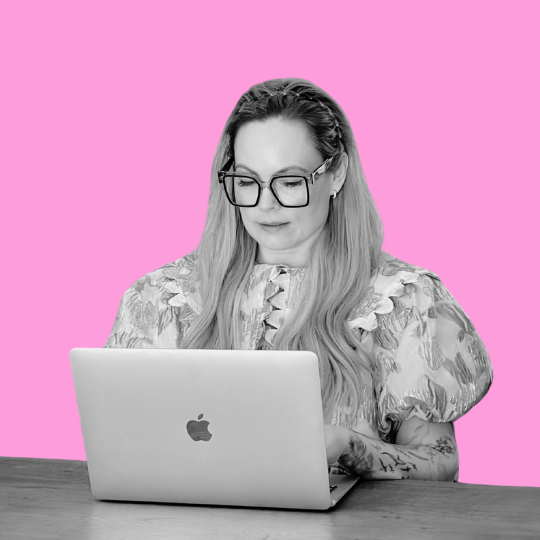
Emm McAndrew knows what it means to juggle chronic illness, disability, neurodivergence and family life while running a business. She lives with ME, cPTSD, AuDHD, and cervical spondylosis, meaning she navigates sensory overwhelm, executive-function differences and family life while running a business.
The Slow Businesswoman provides information and education only. Nothing on this website, in blogs, emails, or courses should be considered medical, psychological, legal, tax, or financial advice, or a substitute for advice from a qualified professional who knows your circumstances. You remain responsible for your decisions; no liability is accepted for any loss or harm arising from use of the content. If you have concerns about a health or mental health condition, speak to your GP or another qualified clinician. Guest opinions are their own and do not necessarily reflect the views of The Slow Businesswoman.