
Rest isn’t a reward - it’s capacity management
Rest is strategic: how to use rest breaks at work

If you’ve got limited energy, rest can’t be something you “earn”. When you treat rest like a reward, you rest too late. You push, you crash, you recover, then you push again. That cycle has a name in pacing guidance: the boom-and-bust cycle. You do too much on a better day, then you need extra recovery afterwards, and the pattern repeats. [1]
And you don’t need a specific diagnosis to apply what I’ll discuss in this article. If your health fluctuates, you live with chronic pain, fatigue, neurodivergence, burnout, perimenopause symptoms, or a relentless life-load, your body will still enforce recovery when you ignore it.
Table of contents (TL;DR)
- Why working without rest keeps making things worse
- Rest at work matters because you can’t recover from a day you never paused
- Rest breaks at work in the UK: the basic rules
- Are rest breaks at work paid?
- Rest breaks at work when pregnant in the UK
- How to rest after work without turning it into another task
- Does NSDR work?
- A minimum viable rest plan that protects your week
- Boundaries that make rest breaks real
- FAQs about rest breaks at work
- References

Why working without rest keeps making things worse

Rest at work matters because you can't recover from a day you never paused
Lots of women try to “rest after work” to make up for a full day of pushing through. That’s better than nothing, it still fails to address the core issue of daily fatigue. For example, if you find yourself feeling depleted by 2pm, pushing through until 5pm can leave you feeling far worse than simply tired. This extended period of exertion leads to a deeper level of exhaustion that can take significantly longer to recover from.
Incorporating regular rest breaks throughout your workday is one of the most effective strategies to interrupt this pattern. Even short pauses – whether it’s stepping away from your desk, stretching, or taking a brief walk – can help recharge your energy and enhance your focus, ultimately improving your overall well-being. By prioritising breaks, you can maintain a more balanced energy level throughout the day and lessen the chance of the following day being a repeat scenario.
Rest breaks at work in the UK: the basic rules
- If you work more than 6 hours a day, you have the right to one uninterrupted 20-minute rest break during the working day. The break doesn’t have to be paid; it depends on your employment contract. [4]
- ACAS is also clear that these breaks should be taken during the working day, not at the beginning or end, and they should be planned in advance. [5]
This post isn’t legal advice. It’s a plain-English summary so you can advocate for yourself, then check your situation against ACAS or GOV.UK.
Are rest breaks at work paid?

Rest breaks at work when pregnant in the UK: what changes

How to rest after work without turning it into another task
The goal is to downshift without demanding loads of effort.
Low-effort physical rest
- Lie down for 10 minutes with your legs supported
- Shower sitting down if you need to
Low-effort cognitive rest
- 10 minutes with no input. No scrolling. No messages. No “quick admin”. Just quiet.
Low-effort sensory rest
- Lower the noise. Dim the lights. Fewer tabs, fewer voices, fewer demands.
Low-effort social rest
- No calls. No voice notes. Tell people you’ll reply tomorrow.
Does NSDR work?
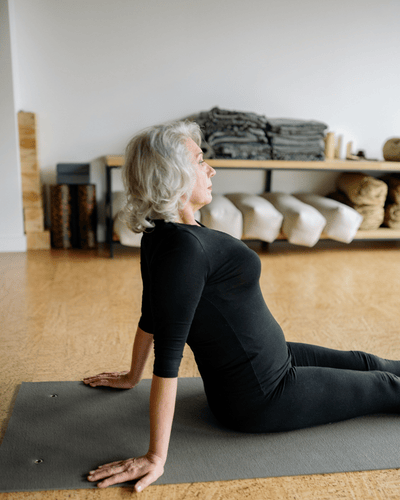
Non-sleep deep rest (NSDR) is a guided relaxation approach that aims to put you into a very calm state while you stay awake. The Sleep Foundation describes NSDR as a relaxation technique that’s grown in popularity, often linked to practices like yoga. [8]
NSDR can be helpful for nervous system downshifting. It won’t replace sleep if you’re sleep-deprived. Use it as a tool, not a miracle.
A simple way to try it:
- Pick a 10-minute guided NSDR or yoga nidra track
- Lie down
- Do it before you’re already in a full crash
A minimum viable rest plan that protects your week
If your energy fluctuates, planning rest isn’t indulgent. It’s how you keep a week workable. Try this for 7 days:
Daily
- Two short breaks in your workday, 10 minutes each
- Put them in your calendar so they happen!
Three times a week
- One longer downshift break, 20 to 30 minutes
- Do it before you’re wiped out
Weekly
- One low-demand block, at least 2 hours
- No calls, no heavy thinking, no new decisions
This is pacing in practice. NICE refers to pacing as “energy management” in ME/CFS guidance. [9] But even if you don’t have ME/CFS, the concept is still useful: you manage energy as the limited resource it really is.
Boundaries that make rest breaks real
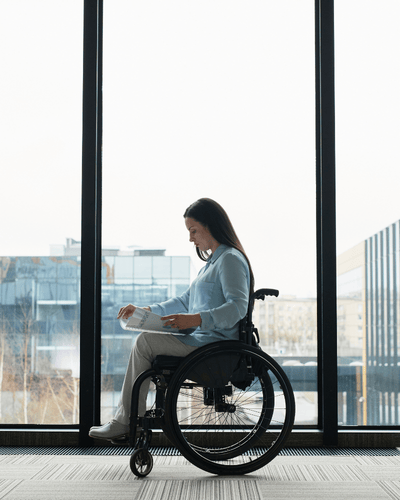
Rest breaks fail when your day is built around everyone else’s urgency or productivity rules.
A professional boundary to try this week:
- Response-time boundary: “I reply within 48 hours, Monday to Thursday.”
- Meeting boundary: “I can do calls on Tuesdays and Thursdays only.”
- Delivery boundary
- “I deliver work on set days. I don’t do same-day turnarounds.”
You’re not being awkward. You’re preventing a predictable crash. You can read more about professional boundaries in this blog post.
Prioritising rest as an integral part of your daily routine is essential for maintaining both physical and mental well-being. Rather than viewing rest as a reward for completing work, it’s key to remember that regular breaks and recovery periods prevent burnout and support overall well-being. The legal framework in the UK supports your right to rest and emphasises the importance of taking breaks during the workday.
By incorporating simple strategies for rest – whether through physical, cognitive, sensory, or social means – you can better manage your energy levels and promote a healthier work-health balance. Rest isn’t a luxury but a necessity for sustainable working. I wrote an article on the neuroscience of rest, which is a great next read and explains in more detail why women specifically need downtime.
Next steps you can take today
Work for yourself
If you’re ready to build a route out that doesn’t rely on you pushing through, join The Slow Business Method. It’s designed to help you create a business model that fits your capacity, so you’re not swapping one kind of pressure for another.Sidestep into self-employment
If you need something you can start straight away, the From Employed To Entrepreneur pre-recorded training is the self-paced option. You can work through it in short sessions, on your schedule, without needing a big burst of energy to “get it done”.

FAQ: rest breaks at work
What rest breaks am I entitled to at work?
If you work more than 6 hours, you’re entitled to one uninterrupted 20-minute rest break during the working day.
Workers have the right to 11 hours rest between working days. For example, if they finish work at 8pm, they should not start work again until 7am the next day.
Workers also have the right to either:
- an uninterrupted 24 hours without any work each week
- an uninterrupted 48 hours without any work each fortnight
Do rest breaks have to be taken during the day?
ACAS says rest breaks should be taken during the working day, not at the start or end, and planned in advance.What about rest breaks at work under 18?
Young workers are usually entitled to a 30-minute rest break if they work more than 4.5 hoursReferences
Get your weekly dose of calm and clarity
If you’re ready to protect your energy, The Weekly Pause is for you. Every Monday, I share gentle reminders, research-backed insights, and practical tips to help you work smarter, not harder.

The Slow Business Woman
Emm McAndrew knows what it means to juggle chronic illness, disability, neurodivergence and family life while running a business. She lives with ME, cPTSD, AuDHD, and cervical spondylosis, meaning she navigates sensory overwhelm, executive-function differences and family life while running a business.
The Slow Businesswoman provides information and education only. Nothing on this website, in blogs, emails, or courses should be considered medical, psychological, legal, tax, or financial advice, or a substitute for advice from a qualified professional who knows your circumstances. You remain responsible for your decisions; no liability is accepted for any loss or harm arising from use of the content. If you have concerns about a health or mental health condition, speak to your GP or another qualified clinician. Guest opinions are their own and do not necessarily reflect the views of The Slow Businesswoman.