most workplaces don't account for fluctuating energy
Why women with chronic illness are choosing self-employment
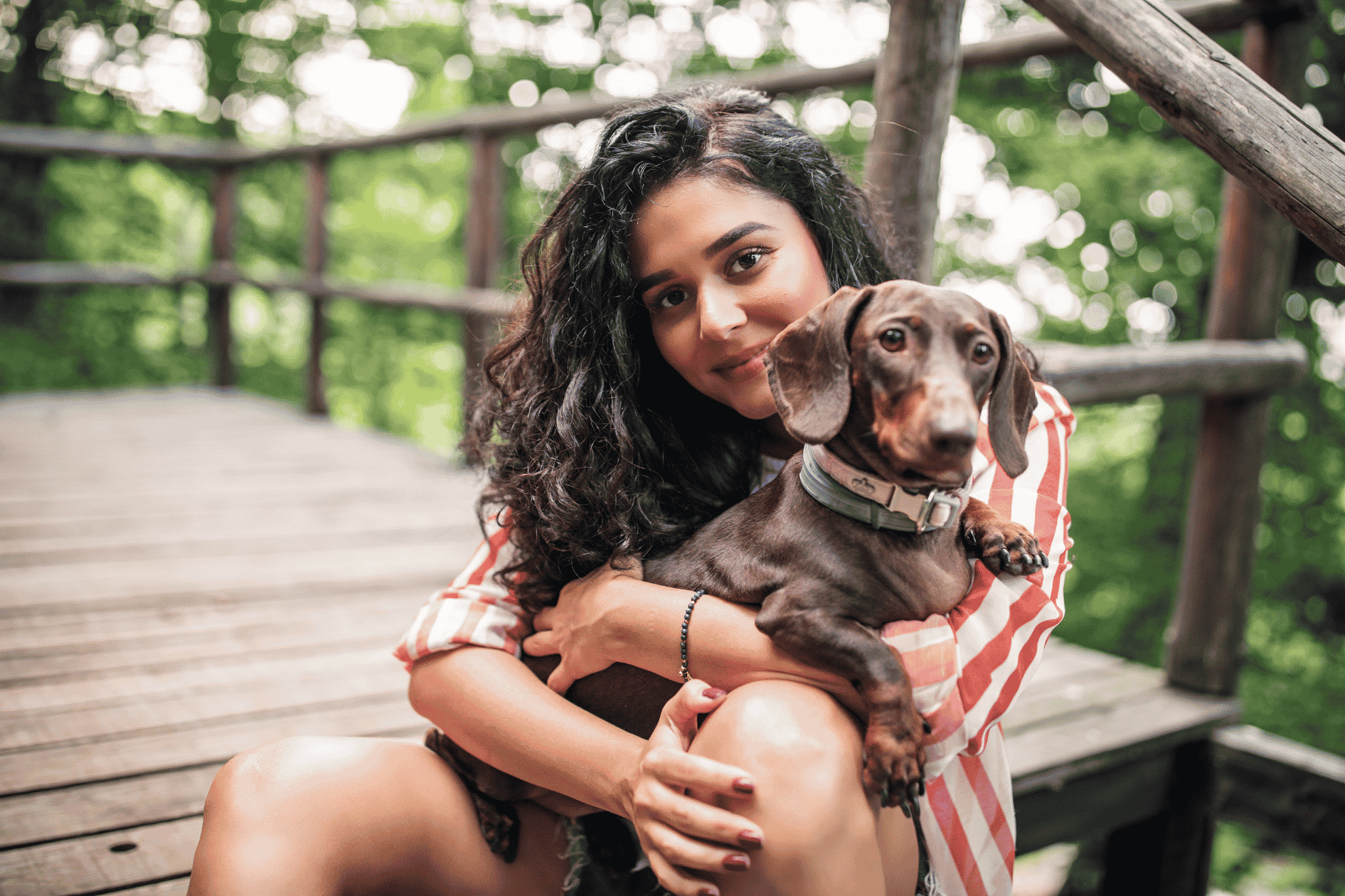
If you’re living with ME/CFS, fibromyalgia, EDS, MCAS, or another chronic illness, chances are you already know that employment isn’t really a good choice for women like us. Not because we’re not capable. But because the way most workplaces are run don’t account for fluctuating energy, unpredictable flares, or conditions that aren’t consistent from one week to the next. More women with chronic illness are choosing self-employment, not as a last resort, but as a deliberate, strategic decision.
Table of contents
- Why employment is hard when your energy fluctuates
- Is self-employment actually better?
- What women with chronic illness tell me
- What types of work suit women with fluctuating energy
- What about flares and crashes?
- How to start if you’re still employed
- The bottom line
- A better alternative to employment
- Frequently asked questions about chronic illness & work
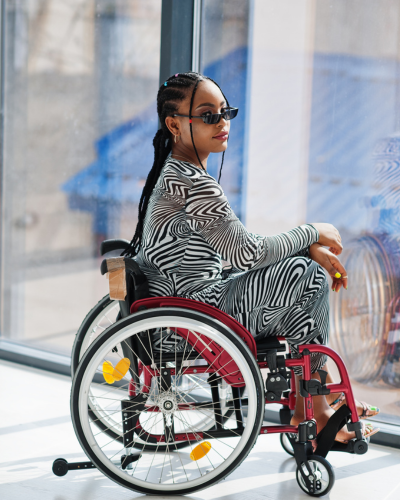
Why employment is hard when your energy fluctuates
Most employment structures were built on an assumption of consistent, predictable output. Show up. Be productive. Repeat tomorrow.
When your energy doesn’t work that way, the gap between what’s expected and what’s possible becomes a daily source of stress. You push hard on the good days to compensate for the bad ones. The bad ones get worse, you end up crashing, which makes you feel guilty…and the cycle repeats.
This is the energy payback pattern. It’s not a mindset issue, it’s what happens when a rigid structure meets fluctuating capacity.
In my research with women with limited energy, the average satisfaction score for work-life balance was just 46%. More than half the women in that study were unhappy with how work was affecting their lives.
There’s also the question of workplace culture. Many women with chronic illness describe being expected to perform like someone without their condition, pushed to keep going, or left feeling like the problem is them rather than the environment. If that resonates, my post on gaslighting at work goes into this in more detail.
Is self-employment actually better?
It can be. But it needs to be built the right way. Self-employment or running your own business doesn’t automatically solve everything; you still have good and bad days. But what changes is control: when you work for yourself, you decide when you work and how much you take on.
You can build your working pattern around your energy rather than around someone else’s schedule, you can rest without asking permission, and you can restructure your day during a flare without having to explain yourself to a manager.
For women whose energy is unpredictable, that level of autonomy can be the difference between a sustainable working life and a constant cycle of crashes, burnout, and recovery.
I left employment after years in senior marketing roles, including some genuinely toxic environments. My diagnoses of ME/CFS, fibromyalgia, cPTSD, and AuADHD made it clear that the standard employment model wasn’t going to work for me long term. Building a business on my own terms wasn’t just a lifestyle choice. It was the only choice.
What women with chronic illness tell me
In my research with women with limited energy, two subject areas came up time and again:
“I feel like I have all the tools, intelligence, experience but my body will not cooperate.”
“I’m still expected to function the same way as a person without a chronic illness.”
The capability is there. The structure isn’t designed for it.
But 71% of the women in my research said they were hopeful they could build a version of success that works for them. They weren’t looking to opt out of working or earning well, they were looking for something that fits.
And i think that’s what healthy people don’t understand about us – a lot of us desperately want to work, hell, some of us are massively ambitious, and we still have our experience, skills, and knowledge to give.

What types of work suit women with fluctuating energy
Not every type of self-employment works equally well when your energy is limited. These models tend to be most compatible with fluctuating health:
- Freelancing and consulting: you choose your clients and your workload. Work is often project-based, which gives you natural gaps between commitments.
- Digital products and training: once created, these can generate income without requiring you to be available all the time. A course, an ebook, or a guide can sell while you rest.
- Asynchronous service work: writing, design, VA work, and similar roles can often be done on your own schedule rather than in real time.
- Portfolio working: a mix of smaller income streams that together add up, none of which alone requires full-time output.
The common thread is flexibility and control over when and how much you work. If you’re not sure where to start, my post on how to start a business with chronic illness covers the practical steps in more detail.
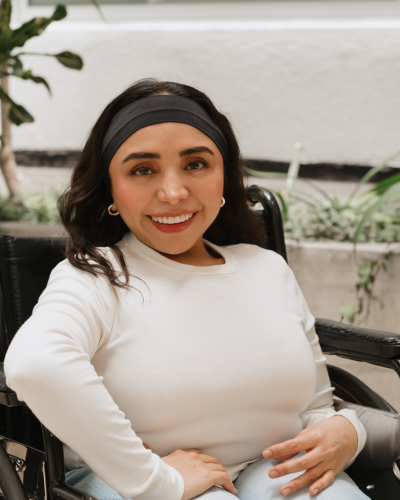
What about flares and crashes?
This is the question most women ask first. And it’s the right one.
Flares don’t disappear when you become self-employed. What changes is how your business is set up to handle them.
A business built on slow, sustainable foundations, with clear boundaries, simple systems, and a model that doesn’t rely on you being available every day, can absorb a bad week in a way that most employment roles can’t.
The goal isn’t to build something that depends on you being at full capacity. It’s to build something that still works when you’re not.
That requires different decisions from the start: about your pricing, your workload, your client relationships, and how you communicate your availability. It’s entirely possible. But it doesn’t happen by accident.
How to start if you're still employed
You don’t have to quit first. Starting while you’re still employed is often the smarter move.
A few things worth thinking about before you make any decisions:
- What skills or knowledge do you already have that others would pay for?
- What working pattern would actually be sustainable for you?
- What income do you need, and what’s a realistic timeline to reach it?
- What would a slow, low-pressure start look like?
There’s no single right answer. But starting with those questions puts you in a much stronger position than jumping in without a plan.
The bottom line
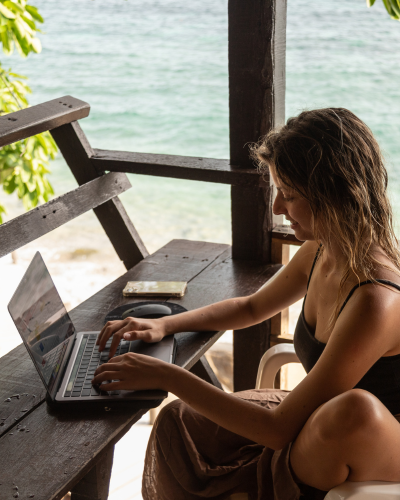
Employment wasn’t designed for women with fluctuating energy. And that’s not our personal failing, it’s a structural mismatch.
Self-employment (your own business), built the right way, gives you something employment rarely does: the ability to design your working life around your actual capacity – it’s not the quick fix, but for many women with chronic illness, it’s the most sustainable path to earning well without burning/flaring/crashing out.
A better alternative to employment
If you want to explore what that could look like for you, The Slow Business Method is my 8-week programme designed specifically for women with limited energy.
It covers everything from setting up sustainable business foundations to boundaries, marketing, and building income that still makes sense when life is unpredictable.
Here’s what some of the women who’ve taken the programme say:
“Always being ‘on’ and not allowing yourself to turn off? That’s not sustainable and this course teaches us that. It also teaches that we can still build something and it doesn’t have to be at the expense of yourself. Emm is someone who truly lives what they speak about.”
~ Brithney
“The course has given me the confidence to set up a business that I can operate on my own terms and use my time differently in future to preserve energy.“
~ Ruth, West Yorkshire
Frequently asked questions about chronic illness & work
Can you run a business if you have ME or fibromyalgia?
Yes. Many women with ME/CFS, fibromyalgia, and other energy-limiting conditions run successful businesses. The key is building a business model that accounts for fluctuating energy from the start, rather than applying a standard model and hoping for the best.Is self-employment better than employment for women with chronic illness?
It can be. Self-employment gives you control over your schedule, your workload, and your pace in a way that most employment roles don’t. That said, it needs to be set up thoughtfully. Self-employment that replicates the pressure of employment isn’t a solution.How do you manage flares or crashes when you’re self-employed?
By building a business that doesn’t rely on you being at full capacity every day. That means simple systems, clear boundaries, sustainable pricing, and a workload that has room to flex. It takes planning, but it’s achievable.What types of work suit women with limited energy?
Freelancing, consulting, digital products, asynchronous service work, and portfolio working tend to be most compatible with fluctuating energy. The common factor is flexibility and control over when and how much you work.How do you start a business while still employed?
Start small and start slowly. Identify what skills you already have, what income you need, and what a realistic timeline looks like. You don’t need to quit first. Building gradually is a strategy, not a compromise.What is an energy-limiting condition?
An energy-limiting condition is any health condition that affects your available energy, either consistently or unpredictably. This includes ME/CFS, fibromyalgia, ADHD, autism, EDS, MCAS, and many others, as well as conditions that affect cognitive capacity, pain levels, or recovery time.Get your weekly dose of calm and clarity
If you’re ready to protect your energy, The Weekly Pause is for you. Every Monday, I share gentle reminders, research-backed insights, and practical tips to help you work smarter, not harder.
The Slow Business Woman
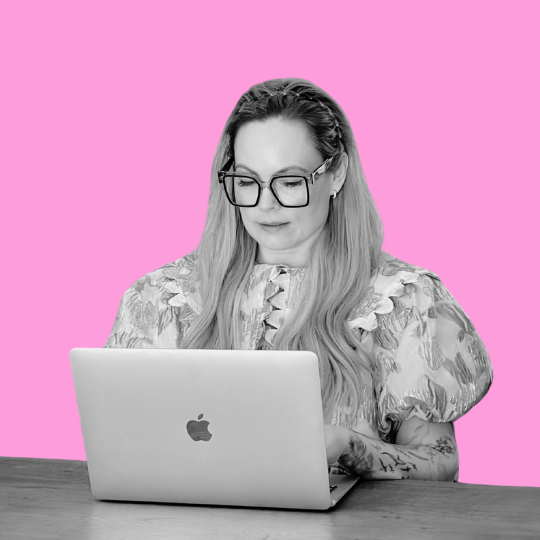
Emm McAndrew knows what it means to juggle chronic illness, disability, neurodivergence and family life while running a business. She lives with ME, cPTSD, AuDHD, and cervical spondylosis, meaning she navigates sensory overwhelm, executive-function differences and family life while running a business.
The Slow Businesswoman provides information and education only. Nothing on this website, in blogs, emails, or courses should be considered medical, psychological, legal, tax, or financial advice, or a substitute for advice from a qualified professional who knows your circumstances. You remain responsible for your decisions; no liability is accepted for any loss or harm arising from use of the content. If you have concerns about a health or mental health condition, speak to your GP or another qualified clinician. Guest opinions are their own and do not necessarily reflect the views of The Slow Businesswoman.