
AI balance principles for women who manage their energy
Artificial intelligence: what to automate & what to keep human

Working while managing limited energy due to health, caring responsibilities, or burnout recovery, every task you do takes its toll. Artificial intelligence (AI) automation can feel like a lifeline, saving you from repetitive work and mental clutter. But AI isn’t a fix-all. Knowing what to automate and what to keep human is crucial for protecting your energy, staying connected to others, and maintaining a sustainable business or career.
In this article, I’ll share balance principles backed by research and tailored for women who need to conserve their energy while still thriving in business or the workplace.

Why automation matters for energy protection
Studies show that automating simple, repetitive tasks, such as scheduling social media posts and email follow-ups can save up to 6 hours per week on average (Deloitte, 2024). For women with limited energy, that’s time reclaimed for rest, healing, or strategic focus. Automating these low-value tasks reduces decision fatigue, which is a significant drain on mental energy.
What research says about automation pitfalls
Research from Harvard Business Review warns of the risks associated with over-automation. It can make your brand feel impersonal and create more stress when tech glitches happen. Clients especially value human connection during complex or emotional conversations. Capgemini’s 2023 survey found 75% of customers prefer speaking to a human when problems arise, which serves as a vital reminder to protect your energy for these moments. Trying to automate everything can actually increase your workload and drain your energy more, as you fix issues automation creates or feel disconnected from your business’s heart.
In my study of UK working women, only 38% of participants had introduced some form of automation or delegation, showing many still struggle with managing these tasks efficiently.
Meanwhile, a striking 71% named work-life balance as their top stressor, reflecting the ongoing tension between workplace demands and energy limits. This suggests that automation can help protect energy. However, many women still haven’t found the right balance between technology and human connection in their businesses.
Tasks you should automate
Focus automation on tasks that:
- Are routine and repetitive (e.g., invoicing, appointment reminders)
- Require no creative input or empathy
- Benefit from consistency and speed (e.g. email marketing sequences, social media scheduling)
Automating these tasks frees up time to spend your precious energy on rest and work that requires your unique skills, including your intuition, empathy, and strategic thinking.

Tasks to keep human
- Nurturing client relationships and emotional check-ins
- Handling complaints or sensitive issues
- Complex decision-making and problem-solving
- Crafting personalised messaging and offers
- Negotiating and sales conversations
These tasks need your presence and energy. They are often the most fulfilling and meaningful parts of your business and are the parts that automation can’t replace.
Practical tips to find your AI-human balance
- Audit your energy drains: Make a list of tasks you find exhausting or repetitive. These are your best candidates for automation.
- Start small: Automate one or two tasks to see how it feels. Notice if it reduces your overwhelm and protects your energy.
- Set boundaries with tech: Schedule specific times to check automated systems and emails to avoid being constantly “on.”
- Communicate your approach: Let clients know when automation is used and how to reach you directly when needed.
- Review and adjust: Regularly check if automation tools are serving your energy needs or creating extra work. Be willing to tweak or drop them.
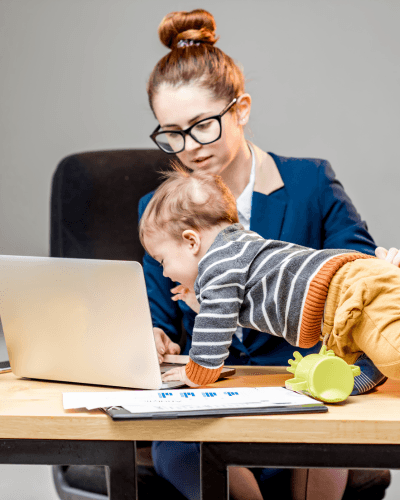
Insights from women protecting their energy with automation
Many women I speak to describe automation as a way to reclaim control over their day and reduce mental clutter. Automating routine reminders allows women to focus their energy on creative tasks that truly inspire them. Others emphasise the peace of mind that comes from knowing repetitive tasks are handled reliably, freeing up emotional space to rest without guilt.
Yet, several women also highlight the importance of setting clear limits around automation – using it as a tool to support their wellbeing, not replace genuine human connection. For these women, automation isn’t just about efficiency; it’s an act of self-care that helps them sustain their energy and build businesses that fit their lives.
The Bottom Line
Automation is a powerful ally for energy-conserving businesswomen – but only when used thoughtfully. By automating routine tasks with AI, you protect your limited energy for what truly matters: connection, creativity, and self-care.
Finding this balance lets you build a business that fits your life – not one that drains it. Start small, protect your energy fiercely, and trust yourself to decide what deserves your human presence.
Get your weekly dose of calm and clarity

The Slow Business Woman
Emm McAndrew knows what it means to juggle chronic illness, disability, neurodivergence and family life while running a business. She lives with ME, cPTSD, AuDHD, and cervical spondylosis, meaning she navigates sensory overwhelm, executive-function differences and family life while running a business.
The Slow Businesswoman provides information and education only. Nothing on this website, in blogs, emails, or courses should be considered medical, psychological, legal, tax, or financial advice, or a substitute for advice from a qualified professional who knows your circumstances. You remain responsible for your decisions; no liability is accepted for any loss or harm arising from use of the content. If you have concerns about a health or mental health condition, speak to your GP or another qualified clinician. Guest opinions are their own and do not necessarily reflect the views of The Slow Businesswoman.