
How it shows up differently for ADHD, Autism, parenting & chronic illness
What burnout looks like and how to recover

Burnout is a word we use often, but few people recognise what burnout looks like – especially in women managing limited energy, caring responsibilities, or neurodivergence. It isn’t just feeling tired. It’s a depletion that touches every layer of your life.
In my study, 74% of women rated their overwhelm as severe, and more than half reported experiencing exhaustion most weeks. Many described feeling “mentally frozen” rather than simply tired.
“I feel like I’m constantly on the edge of collapse, but I keep going because there’s no one else to pick it up.”
If you’ve ever wondered what burnout looks like, it doesn’t always announce itself as collapse. Sometimes it’s quiet: missing deadlines, zoning out mid-conversation, or losing interest in things that once mattered. Sometimes it’s physical, with pain, fog, or a deep heaviness that no amount of sleep fixes. Burnout takes different shapes depending on your body, brain, and life context. Let’s look at how it shows up for women.

Burnout with specific conditions
ADHD burnout
For women with ADHD, burnout often starts as overcommitment. The same drive that fuels bursts of creativity also pushes them to say yes too often, chase novelty, and work at unsustainable speeds.
When the dopamine drops, motivation disappears and guilt floods in.
Doctors describe ADHD burnout as a cycle of “intense productivity followed by collapse,” often mistaken for laziness. It isn’t laziness; it’s neurological depletion.
In this community, burnout often goes hand in hand with shame. Many women blame themselves for inconsistency rather than recognising their brain’s need for rest and dopamine balance. When unchecked, this pattern can mimic depression or chronic fatigue, even though the underlying cause is different.
“I go all in for weeks then my brain just stops. I can’t start anything. Even small things feel impossible.”
(participant of my 2025 study about working women “Having it all”)
Chronic illness crash vs burnout
For women with CFS, ME, or fibromyalgia, it’s vital to separate a crash from burnout. A crash is physical – the body’s energy system collapsing after exceeding capacity. It’s biochemical, not psychological, and recovery requires rest and pacing. Burnout, on the other hand, is emotional and cognitive exhaustion that can trigger or intensify physical crashes.
Understanding this difference matters. You can recover from burnout through boundaries, reflection, and rest. Crashes need physiological recovery first, then systemic change to prevent recurrence. For many with chronic illness, burnout sits on top of an already-strained body, creating a feedback loop of fatigue, guilt, and frustration.
Autistic burnout
Autistic burnout is quieter than the way it presents in ADHD, but it’s just as intense. It often follows long periods of masking (suppressing sensory needs, copying neurotypical behaviour, and pretending to cope in environments designed for others).
Autistic researchers describe this state as “a loss of function, identity, and wellbeing caused by chronic life mismatch.” A participant in my 2025 study said:
“I mask so much at work that by the time I get home, I can’t speak. I need days of silence just to come back.”
Autistic burnout doesn’t always look like disengagement; it can appear as shutdown, withdrawal, or heightened sensory sensitivity. Rest alone may not fix it. What helps is alignment: reducing masking, adjusting workload, and working within safe sensory limits.
Parenting burnout
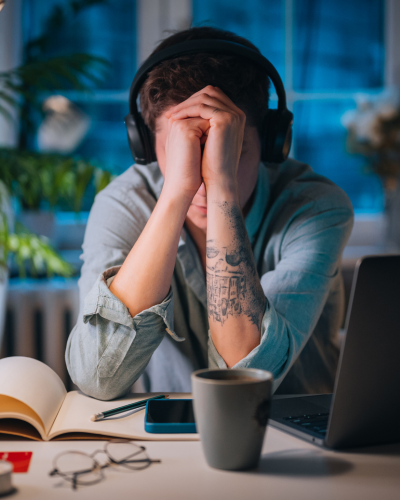
Parenting burnout stems from emotional overload, invisible labour, and unrealistic expectations. The cultural myth of “having it all” still weighs heavily on women who juggle careers, care, and self-criticism.
In my 2025 research, 61% of women said they felt gaslit by messages that they should be able to do it all if they just organised better.
Many described exhaustion not from one big event but from the relentless drip of responsibility. One participant said:
“I love my kids, but the constant pull of work, house, and care leaves nothing for me. I’m never off duty.”
Parenting burnout can mimic depression, but it’s situational – rooted in depletion and lack of shared support, not necessarily in chemical imbalance. Recovery often starts with redefining what “enough” looks like and sharing the load, even in small ways.
Signs of job burnout
Burnout isn’t a sudden collapse; it builds slowly, hidden behind phrases like “I’m fine” or “it’s just a busy week.” The World Health Organisation defines occupational burnout as “chronic workplace stress that has not been successfully managed,” leading to exhaustion, cynicism, and reduced professional efficacy.
In my study, women frequently described feeling detached from their work long before they realised it was burnout, with one woman saying:
“I kept thinking I just needed a better routine, but the truth is I’d lost all interest in my job. I was numb.”

What burnout looks like at work
- Emotional exhaustion: you dread opening your laptop
- Cognitive fatigue: you re-read the same line and absorb nothing
- Detachment: you stop caring about results you used to value
- Physical symptoms: headaches, dizziness, stomach pain, muscle tension
- Short temper: irritability, tears, or snapping at small things
Workplace culture amplifies these signals. Inflexible hours, poor boundaries, or lack of understanding about neurodivergence and disability accelerate burnout. The “Job Demands-Resources” theory explains that when job demands outweigh available resources (autonomy, flexibility, recognition, support), strain escalates into burnout.
For neurodivergent or disabled employees, masking, self-monitoring, or compensating for inaccessible systems consumes extra energy – known as “the second shift” of hidden labour. When this emotional load goes unacknowledged, burnout becomes almost inevitable.
General burnout symptoms
Burnout affects the body, brain, and behaviour. It rarely looks the same for two people, but it follows predictable physiological patterns.
Physical
- Chronic fatigue that sleep doesn’t fix
- Frequent headaches or pain flares
- Changes in appetite or digestion
- Insomnia or vivid, unrestful dreams
Emotional
- Feeling detached or apathetic
- Increased irritability or anxiety
- Guilt for not doing enough, even when overworking
- Emotional numbness or hopelessness
Cognitive
- Brain fog and poor memory
- Indecision or avoidance
- Loss of creativity and focus
- Negative self-talk
Dr Sangwan describes burnout as misalignment – the gap between what you value and how you live. The body starts whispering long before it shouts: fatigue, tight shoulders, shallow breathing. On eo fthe women in my 2025 study said:
“My body was telling me for months, but I didn’t listen. I just kept pushing until I physically couldn’t.”
When misalignment persists, stress hormones like cortisol remain elevated, impairing immune and cognitive function. Without rest, the brain’s default mode network – responsible for creativity and emotional processing – can’t activate properly, leaving you stuck in survival mode.
How to recover from burnout
1. Pause before you power through
The hardest step is stopping. Take stock before planning fixes. Even a few days of proper rest – sleep, stillness, limited decision-making – can begin to stabilise your nervous system.
2. Rest is not laziness
Neuroscience shows rest restores attention, creativity, and emotion regulation. In my earlier work, The Neuroscience of Rest, women who intentionally paused during workdays reported 35% better clarity and problem-solving. Rest isn’t optional; it’s maintenance. One woman told me:
“When I finally let myself rest, I stopped resenting my business. I started to think clearly again.”
3. Rebuild your energy in layers
- Address the physical first: sleep, nutrition, hydration, and gentle movement
- Then emotional: journaling, therapy, connection
- Then cognitive: re-engage with meaningful but low-stress tasks
- Finally, spiritually: realign your work with your values
This order mirrors The Slow Businesswoman approach – working with, not against, your energy system.
4. Redefine success
Many women in my research linked burnout to internalised pressure: the belief that rest equals failure. Redefining success as sustainable wellbeing rather than output alone can be transformative.
5. Use your body as feedback
The body is the first messenger. If you feel tension, nausea, or fatigue, treat it as data, not weakness. Ask: What boundary needs reinforcing?

How to avoid burnout in the future
Energy mapping
Track your daily energy highs and lows. Build your work around those rhythms, not the clock. Schedule demanding work during natural peaks, and lighter tasks when energy dips.
Boundaries with compassion
Boundaries don’t have to be defensive; they can be kind and clear. Try language like:
“I’d love to help, but I’m at capacity this week. Let’s review next month.”
In my 2025 study, 71% of women cited work–life balance as their biggest stressor. Setting boundaries is an act of protection, not guilt.
Create supportive environments
Workplaces that respect energy limits and neurodivergence dramatically reduce burnout risk. Encourage “no-meeting” windows, flexible deadlines, and sensory-friendly spaces where possible.
Rest as a strategy
Integrate rest the same way you schedule meetings. Downtime is part of performance, not a break from it.
Value realignment
Review your core values every few months. If you’re saying yes out of obligation rather than desire, it’s time to pause. Burnout thrives in the space between what matters and what’s performed.
“I used to think saying no meant letting people down. Now I see saying no as choosing myself.”
FAQs about burnout
What does burnout look like in women?
Burnout in women often looks like quiet exhaustion rather than collapse. You might keep performing outwardly while feeling detached inside. It can show up as brain fog, irritability, guilt, or physical pain that rest doesn’t relieve.
Does virtual body doubling work as well as in person?
Yes. Research and expert opinion show that online co-working or focus calls can create the same accountability and structure as being in the same room. The key is choosing a calm partner and setting clear boundaries.
How is burnout different from depression?
Burnout is typically situational and linked to chronic stress, overwork, or misalignment with your values. Depression affects mood more broadly and can persist even without external stressors. If you’re unsure, speak to a healthcare professional – burnout and depression can overlap.
Can you recover from burnout completely?
Yes, with time and structural change. Recovery requires rest, reflection, and restoring alignment between how you live and what matters to you. The deeper the burnout, the longer the recovery – but it is possible.
How long does burnout recovery take?
It varies. Mild burnout may lift after a few weeks of rest and reflection. Severe burnout can take months to recover from. The key is not rushing the process or returning to old patterns too quickly.
What causes burnout in ADHD and autism?
ADHD burnout often stems from cycles of hyperfocus and overcommitment, followed by guilt when energy drops. Autistic burnout develops from masking and sensory overwhelm in environments that aren’t designed for neurodivergent needs. Both require compassionate pacing, not more pressure.
Can burnout cause physical illness?
Yes. Prolonged stress elevates cortisol and inflammation, weakening immune and cognitive function. Many women with chronic illness report that repeated burnout episodes trigger physical crashes or symptom flares.
Build a burnout-proof business
If you’ve been living in survival mode, it’s time to build something slower and sustainable. The Slow Business Method is my 8-week course that helps women set up and run a business (and your life) around energy, clarity, and calm.
Inside, you’ll:
- Map your weekly energy rhythm
- Redesign your workload to prevent crashes
- Learn gentle boundary scripts that protect your time
- Create a plan for sustainable income without pushing to exhaustion
You don’t have to hustle to succeed – you need a structure that respects your body and brain and I will give you permission to stop surviving and start designing work that actually fits your complicated life.
Join the waitlist now to be first to hear when enrolment opens (and get early bird bonuses!)
References
- McAndrew, E. (2025). Can Women Really Have It All? Internal research study, The Slow Businesswoman, UK.
- Neff, M. (2025). ADHD and Autistic Burnout. Private clinical paper and podcast interview, 2025.
- World Health Organisation (2019). International Classification of Diseases (ICD-11): Occupational Burnout Definition.
- McAndrew, E. (2025). The Neuroscience of Rest — Why Downtime Matters. The Slow Businesswoman.
- Neha Sangwan, MD. (2025). Burnout Masterclass Materials. Coaching.com.
- Job Demands–Resources Theory (Bakker & Demerouti, 2007). Journal of Managerial Psychology.
Disclaimer
This blog post provides information and education only. Nothing on this website, in blogs, emails, or courses should be considered medical, psychological, or legal advice, or a substitute for advice from a qualified professional who knows your circumstances. You remain responsible for your decisions; nif you have concerns about a health or mental health condition, speak to your GP or another qualified clinician. Guest opinions are their own and do not necessarily reflect the views of The Slow Businesswoman.
Get your weekly dose of calm and clarity
If you’re ready to protect your energy, The Weekly Pause is for you. Every Monday, I share gentle reminders, research-backed insights, and practical tips to help you work smarter, not harder.

The Slow Business Woman
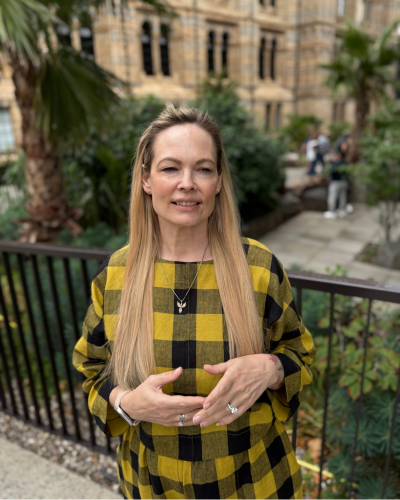
Emm McAndrew knows what it means to juggle chronic illness, disability, neurodivergence and family life while running a business. She lives with ME, cPTSD, AuDHD, and cervical spondylosis, meaning she navigates sensory overwhelm, executive-function differences and family life while running a business.
The Slow Businesswoman provides information and education only. Nothing on this website, in blogs, emails, or courses should be considered medical, psychological, legal, tax, or financial advice, or a substitute for advice from a qualified professional who knows your circumstances. You remain responsible for your decisions; no liability is accepted for any loss or harm arising from use of the content. If you have concerns about a health or mental health condition, speak to your GP or another qualified clinician. Guest opinions are their own and do not necessarily reflect the views of The Slow Businesswoman.