
How it helps focus (also works for chronic illness)
What is body doubling for ADHD?

Many women with ADHD, fibromyalgia, or ME/CFS say they know what needs doing but can’t start. If that sounds familiar, you may have already asked yourself, “What is body doubling for ADHD?”, and why it seems to help so many people focus when nothing else does!
Body doubling is a simple, evidence-based practice where you work alongside another person, in person or online, to make tasks easier to start and finish.

Body doubling for limited energy
If you live with limited energy, you can know the task and see the steps and still feel stuck at the start line. That isn’t laziness. It’s how attention, motivation, pain, and fatigue interact. ADHD adds another layer, because initiating action is harder when your brain doesn’t get much reward from routine tasks.
This is where working with another person can help you cross the start line and keep going at a pace that respects your health.
74% of the women in my 2025 study show classic conditions where body doubling could help.
What is body doubling for ADHD?
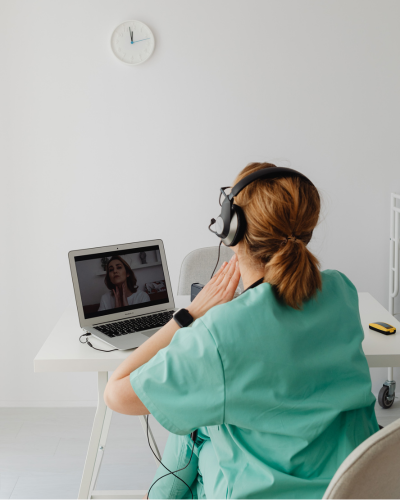
Body doubling means doing your work while another person is present, either in person or online. You don’t need to do the same task. Their calm presence gives light accountability and a simple structure.
Olivia Guy-Evans describes it as using a low-key accountability buddy to boost focus and motivation for ADHD brains.
Oxford CBT defines it in the same way, stressing that the body double doesn’t do the task for you; they provide gentle external structure that helps you stay on track.
Why body doubling works: the useful bits of science
Social context helps focus
We often work better when someone else is present. That simple “being witnessed” effect raises the chance you start and continue. Simply Psychology notes this as social facilitation and modelled behaviour, both of which nudge your brain into work mode.
External structure eases executive load
ADHD and chronic illness both make self-organisation harder. A set start time, one human in view, and a short work block can reduce decision fatigue.
Reward and mood support
Light social connection can feel rewarding, which helps when dopamine levels are low during ‘boring tasks’.
Grounding and co-regulation
Working alone can spiral into worry or negative self-talk. Another person nearby can lower anxiety, which keeps attention from drifting.

Why body doubling it helps in fibromyalgia and ME/CFS
Chronic pain and fatigue reduce cognitive headroom. Starting feels heavier, switching tasks takes more out of you, and overwhelm arrives faster. Body doubling gives you two useful things on low-energy days. First, a nudge to begin, without pressure to push. Second, a human anchor that keeps you from spinning out when you’re flagging.
UK GP and social media influencer, Dr Ahmed, links body doubling to nervous system support for people with fibro and ME/CFS, and many women with a chronic illness report that a quiet co-work session feels better than tackling tasks alone.
What body doubling is not
How to try body doubling
- Start small and keep it gentle
- Choose one or two ideas that fit your energy
- Pick the right companion – someone who won’t chat during your focus time
- Share one straightforward task you plan to do
- Use short blocks – try 25-40 mins, then a short rest. Stop if your symptoms rise.
- Match task to energy – on flare days, choose low-load tasks
- Set a simple start ritual – agree on a two-minute open: cameras on, say your one task out loud, set the timer
- End with a check-out – share one line: “What I did, how I feel, what I’ll do next.” Then stop. Rest is part of the plan
For neurodivergent minds: body doubling Vs mirroring
Oxford CBT distinguishes body doubling, which is deliberate and task-focused, from mirroring, which is usually unconscious copying in social settings. Both can help, but body doubling is the one designed to support task start and follow-through.
Common pitfalls and easy fixes
- It turns into a chat: agree to talk only in breaks
- Wrong partner: swap to someone who keeps things quiet and kind
- Too long: cut blocks to 20 minutes
- Feeling watched: turn cameras off after the “start” cue or work side-by-side in a library
- Dependence risk: keep one or two solo blocks in your week so you maintain confidence
Why this fits a slow business
Slow business isn’t about doing less for the sake of it. It’s about right-sized effort, clear boundaries, and honest pacing. Body doubling supports that. You get just enough structure to begin, without punishing yourself when energy is thin. It also makes work less lonely, which matters when symptoms limit your social time.
A one-week experiment
Day 1 – choose your partner and task
Day 2 – run a 30-minute body doubling session
Day 3 – no body doubling, work alone and note how solo work feels
Day 4 – run two 30-minute blocks of body doubling
Day 5 – feedback session to review how it went
Track three things only: how easy it was to start your work, symptoms during work, and how you felt after. Keep what helped and drop what didn’t.
Helpful boundaries
- Stop if pain, dizziness, or sensory load rises
- Keep sessions inside your energy budget. Your body is the decision-maker
Useful places to start
- A friend on a quiet video call
- Peer groups that run timed focus calls

FAQs about body doubling and ADHD
Is body doubling only for people with ADHD?
No. While it was first used by people with ADHD to improve focus, body doubling can also help those with fibromyalgia, ME/CFS, anxiety, or executive function challenges. The shared presence helps reduce overwhelm and makes starting easier.
Does virtual body doubling work as well as in person?
Yes. Research and expert opinion show that online co-working or focus calls can create the same accountability and structure as being in the same room. The key is choosing a calm partner and setting clear boundaries.
How long should a body doubling session last?
Short sessions work best – usually 25 to 50 minutes – followed by a break. For energy-limited people, 20-minute sessions can provide the benefits without overexertion.
Can body doubling help with chronic fatigue or brain fog?
It can. For people with ME/CFS or fibromyalgia, the gentle accountability of another person helps overcome the mental block that comes with fatigue or “fog”, without adding pressure to perform.
What if I get distracted or anxious during body doubling?
That’s normal. Try shorter sessions, a quieter partner, or turn off your camera once you’ve started. The aim is gentle support, not surveillance.
A helpful next step
It may be that running your own business or becoming self-employed will suit your health-life balance better – it was the only way forward for me. If you want a clear, energy-first way to set up and run your own business without sacrificing your health, join the waitlist for The Slow Business Method, my affordable signature development programme starting in January 2026. You set the pace. I’ll help you keep it.
Get your weekly dose of calm and clarity
If you’re ready to protect your energy, The Weekly Pause is for you. Every Monday, I share gentle reminders, research-backed insights, and practical tips to help you work smarter, not harder.

The Slow Business Woman
Emm McAndrew knows what it means to juggle chronic illness, disability, neurodivergence and family life while running a business. She lives with ME, cPTSD, AuDHD, and cervical spondylosis, meaning she navigates sensory overwhelm, executive-function differences and family life while running a business.
The Slow Businesswoman provides information and education only. Nothing on this website, in blogs, emails, or courses should be considered medical, psychological, legal, tax, or financial advice, or a substitute for advice from a qualified professional who knows your circumstances. You remain responsible for your decisions; no liability is accepted for any loss or harm arising from use of the content. If you have concerns about a health or mental health condition, speak to your GP or another qualified clinician. Guest opinions are their own and do not necessarily reflect the views of The Slow Businesswoman.