
My research shows us
Why women in business burn out
It has grown into a body of evidence that is both sobering and hopeful. Sobering because the patterns I am seeing are hard to ignore. Hopeful because, in speaking openly, these women are already starting to imagine and demand something different.
The big picture
So far, most respondents are women running their own business, with a significant portion in employed roles or starting out in self-employment. Over half live with a chronic illness, disability, or neurodivergence, often more than one condition.
Across the board, burnout risk is high. In fact:
- 71% say work-life balance is their biggest source of stress
- Over 60% work outside their agreed hours at least once a week, often without extra pay
- 1 in 3 report that their health has worsened since starting their business or current role
Almost all said they keep going because the alternative, stepping back, pausing, or saying no, feels financially or professionally risky.
From a systemic perspective, that is a warning sign. Burnout is not just an individual health issue, it is a business sustainability problem.
The human side
One respondent summed up the experience like this:
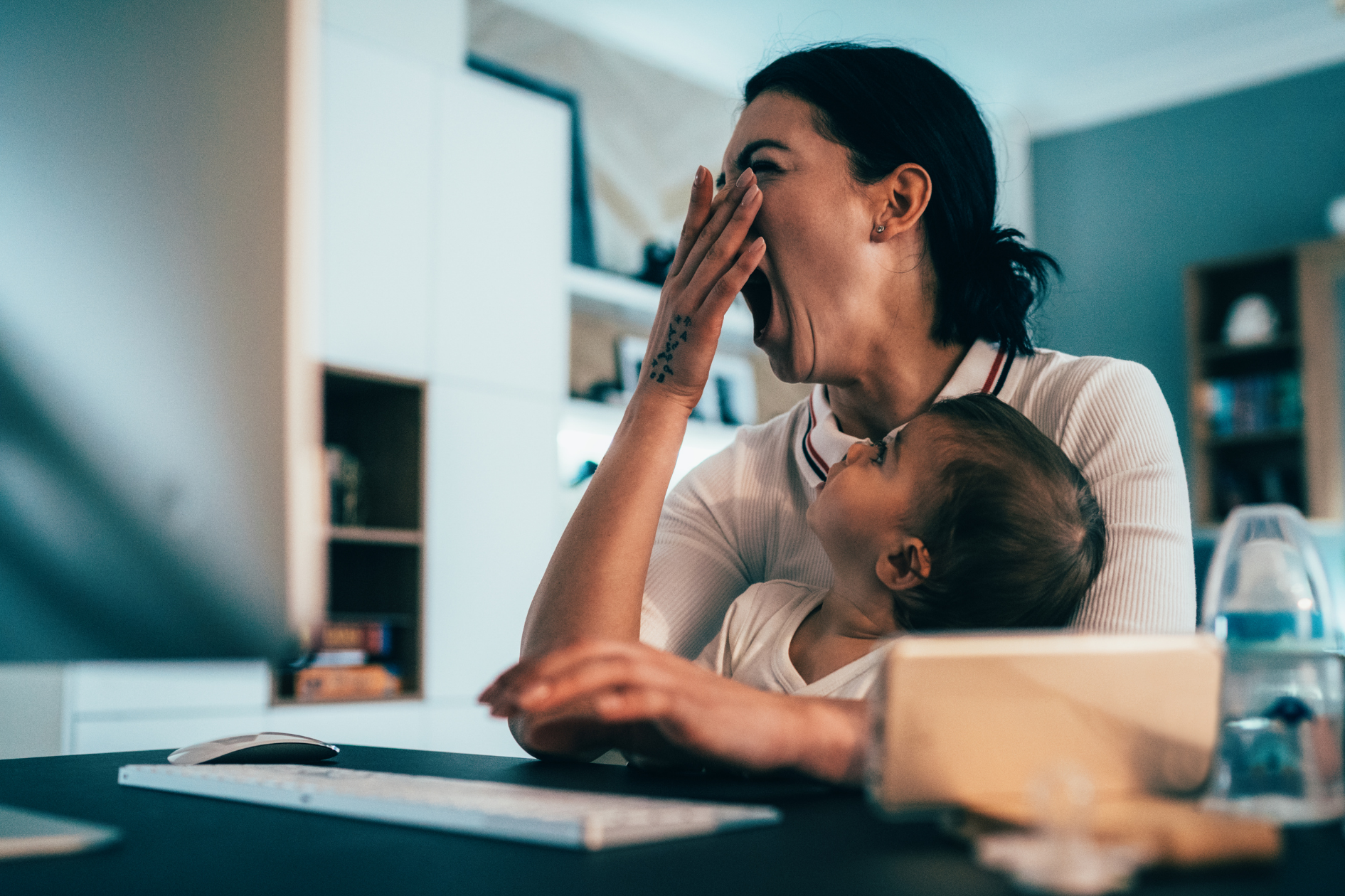
“Yes! Feeling like every angle of my life has a demand. Work demands, home demands, childcare demands. I feel like I get up and I don’t stop until I go to sleep. Daily.”
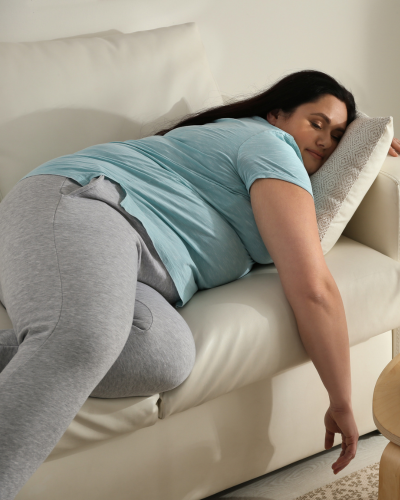
For me, this resonates deeply. When I was in the thick of hustle culture, I thought this was normal until my body forced me to stop. That is when I realised that a business built on exhaustion is not a business that lasts.
Patterns emerging
The more responses I analyse, the clearer the patterns become:
- Energy is the real currency. Many women are structuring their days around medical appointments, rest, and fluctuating capacity, but without feeling they can openly acknowledge it to clients or employers.
- Boundaries are brittle. Even when women set limits, they are often overridden by client demands, workplace expectations, or their own drive to “keep up.”
- Value misalignment is common. A third of respondents say they keep clients or jobs that drain them because they are afraid of losing income, even when the work clashes with their ethics or values.
These patterns are not about personal failings, they are the product of systems that reward overwork and undervalue rest.

The systemic issue
When women feel they have to work through illness, skip breaks, or blur the lines between personal and professional time just to stay afloat, it is not a sign of personal resilience. It is a sign the system is broken.
The data makes it plain. Flexibility and autonomy are not “nice-to-haves.” They are essential for sustainability. Yet too often, they are treated as perks or concessions rather than standard practice.
The Bottom Line
I am not just collecting these findings for the sake of it. They are shaping the Slow Businesswoman book, course, and framework, and I hope, the wider conversation about how we work.
This research is proof that women want and need a different way of doing business. One that recognises that energy, health, and values are as important as revenue.
As one participant put it:
“I do not want to be a superhero. I just want to have a business that lets me live my life.”
Change will not come from one woman working harder. It will come from all of us working differently.
Want to be part of the movement?
Join my mailing list to get updates on my research, practical strategies for slowing down without losing income, and first access to The Slow Business Method course. Sign up below.
Get your weekly dose of calm and clarity
The Slow Business Woman
Emm McAndrew knows what it means to juggle chronic illness, disability, neurodivergence and family life while running a business. She lives with ME, cPTSD, AuDHD, and cervical spondylosis, meaning she navigates sensory overwhelm, executive-function differences and family life while running a business.
The Slow Businesswoman provides information and education only. Nothing on this website, in blogs, emails, or courses should be considered medical, psychological, legal, tax, or financial advice, or a substitute for advice from a qualified professional who knows your circumstances. You remain responsible for your decisions; no liability is accepted for any loss or harm arising from use of the content. If you have concerns about a health or mental health condition, speak to your GP or another qualified clinician. Guest opinions are their own and do not necessarily reflect the views of The Slow Businesswoman.