Clear job paths with examples
What jobs can I do with a chronic illness?

What jobs can I do with chronic illness? If this question loops through your head most days, then it’s time to take steps to seriously think about changing your career or even setting up your own business. Chronic illness affects everyone differently; you might have symptoms that come and go or may feel fine one day and completely exhausted the next. You’ve probably already tried to push through at work, then crashed so hard you couldn’t function for weeks (I can relate).
Modern workplaces are built on the idea that bodies are steady and reliable, but chronic illness doesn’t play by those rules. Navigating symptoms like brain fog, fatigue, pain, sensory overload, hospital appointments, and flare days all clash with the usual 9-5. Add money pressure, benefits rules, and other people’s opinions, and even thinking about work can feel heavy. It’s completely understandable to feel overwhelmed at the thought of work when you’re balancing so much. You’re not alone in this struggle, and it’s important to acknowledge how tough it can be.
This blog aims to make the process of considering job options less intimidating and more concrete. It begins with my own story, from a toxic workplace and health crash to building work that fits my limited energy and chronic health conditions. I’ll then walk you through 3 main paths you can take: flexible remote employment, self-employed careers that use skills you already have, and low-energy businesses you can run from the sofa or even from your bed.
By the end of this post, you may not have all the answers (spoiler, no blog can provide that). However, you will have real options to explore, ideas to consider, and a solid starting point for a career that respects your health and well-being.
My health crash
For most of my career, I did what is expected of most of us; I worked full-time for an employer. I worked in marketing and creative agencies, led large teams, and headed up major client accounts. I was a senior marketer, well paid, and proud of the work I delivered. On paper, it looked like success. But behind the scenes, the cost was high.
My first agency was toxic; long hours were the norm, and being “on” all the time was expected. I was commuting 1 to 2 hours each way, working overtime for free. I pushed through to make sure I delivered every time – I was still at my desk working when I had 3 trapped nerves in my neck with one arm in a makeshift sling! That led to an MRI, which showed cervical spondylosis, disc damage, and arthritis in my neck (well, that’s the short story).
Even then, nothing changed. My employer still expected me to be at my desk 9-6, even though I had to be home to collect my children from the after-school club at 6, and the school was at least an hour away. I had to bring in an au pair so I could keep working. I was a single mum, holding everything together, and my body was already paying the price.
Finding better work for chronic illness
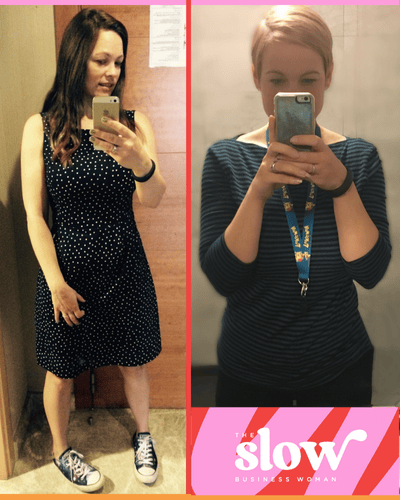
In 2015, after the MRI, a few things shifted. I met my current partner. I moved to a new agency in Birmingham that actually treated me like a human being – they were respectful about disability and far from toxic. They let me work flexibly; I could arrive at 10am and leave at 3pm without them batting an eyelid, so I could miss the worst of the traffic.
But the commute still wore me down. Some days it took me 3 1/2 hours to get home. The traffic into and out of the city centre kept getting worse, so I had to leave earlier and earlier. I would sit in the car, gripping the steering wheel, shoulders up by my ears, feeling my back tighten and thinking, “Why am I doing this?” I am a good worker. I hate being late. I was stressed before I even reached my desk. So I increased my deep tissue back therapy to iron out the damage of another week behind the wheel.
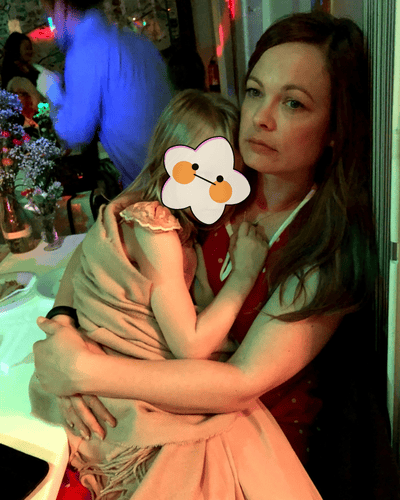
Me at a family wedding in 2017.
Getting a diagnosis of ME / CFS
In 2017, my body finally said no. I became chronically fatigued. I had pain with no apparent injury. Some days, I could not walk my youngest down the road to school. Some days, I could not get out of bed. After a few months of appointments and confusion, I was diagnosed with CFS/ME and fibromyalgia.
So, I had to leave that job I actually liked. We still needed an income, so even though I was ill, I set up as a freelancer. I took on marketing clients, but I worked only a couple of days a week. I cut the commute completely.
Freelancing taught me something important. I learned how to structure my day around my disabilities and energy limits. I knew what times of day my energy was higher. I learned how to plan client work so I could rest without everything falling apart.
The turning point with my chronic illness
The real turning point came when I looked beyond my own situation. I saw other women who did not have a good employer or a decent wage. I imagined trying to do a job like stacking shelves in a supermarket with my health conditions. I thought, “How would I manage that?” I knew women who were doing physical, low-paid work with the same issues I have. I know a woman who works as a domestic in a hospital, on shifts, with similar health problems, and I constantly think, “How is she coping?”
It hit me that I had skills, choices, and knowledge that many women didn’t have; I had figured out how to build work around my energy. I knew there were women with chronic illness and low energy asking the same question I once did: what jobs can I do with chronic illness that won’t break me? I realised I could teach what I’d learned and give other women a better chance at a workable job and even a shot at owning their own business.
Slow Business is a response to women's reality
In early 2025, the idea finally crystallised. The phrase “slow business” landed in my mind. From there, The Slow Businesswoman came together, along with The Slow Business Method as the course (and future book). I already had the skills to set up my business without any external help so I built this website myself. I’m also a chartered marketer, so know how to promote my work.
I’ve spent most of 2025 building this slowly, piece by piece, without burning myself out. I launched a waitlist for The Slow Business Method in late October, and so many women have already joined! Along the way, I’ve been shortlisted for awards and also won a Digital Women Community Champion of the Year award! I’ve secured good press coverage and written lots of blogs and guides for women with limited energy, all with one aim: to get this message out to the women who need it.
Anyway, I digress, and I haven’t even gone into my AuDHD and CPTSD… so, let’s zoom out from my story and look at how to rethink work when you live with a chronic illness.
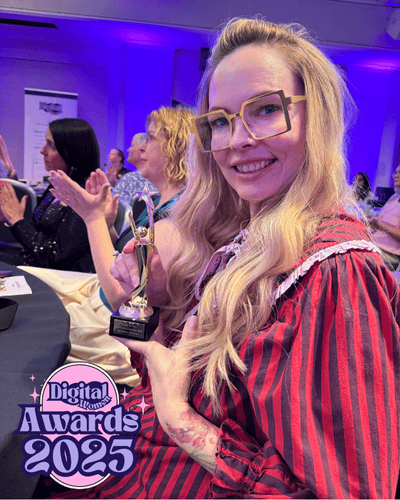
Me at the Digital Women Awards in 2025.
What jobs can I do with chronic illness? Understanding your options
- How much energy do I have on an average week, not a good week?
- How predictable is my energy? Do I crash without warning, or can I see it coming?
- How much control do I need over when I work, not just where?
- How noisy or busy can my environment be before my symptoms flare?
- How often do I need full days off to recover?
Any job or business idea has to pass four basic tests
- Energy demand
How much physical and mental energy does it need? Standing all day, dealing with constant calls, or handling angry guests will drain you fast. Quiet, focused tasks in short bursts will usually be kinder. - Flexibility of hours
Can you move tasks to another day if you wake up in a flare? Can you swap a meeting for an email? Can you work fewer hours in a bad week without losing your job or your main clients? - Control over workload
Do you have any say in how much work ends up on your desk? Can you cap the number of projects, orders, or clients? Chronic illness and “always on” workload do not mix. - Control over your environment
Can you work from home? Can you change the lighting, reduce noise, wear comfortable clothes, and take real breaks? Travel, harsh lighting, and busy open-plan spaces will often make symptoms worse.
You may not get perfect answers on all four. Almost nobody does. But once you look at work through these filters, “what jobs can I do with chronic illness?” becomes a better question. It turns into “what kind of work lets me protect my health and still bring in money”.
Next, we’ll look at the first path: flexible remote employment for people with chronic illness.
Remote working
Remote customer support with flexible shifts
Remote admin or virtual assistant as an employee
Online community or content moderation
Making remote work more chronic illness-friendly
Even in a remote job, you have to protect your energy. You can:
- Ask for reasonable adjustments from the start, such as flexible start times, written instructions, and camera optional meetings.
- Agree on clear priorities each week so you know what actually needs to get done if your energy drops.
- Batch similar tasks together, then rest, instead of switching all day.
- Block out breaks in your calendar, so you do not fill every hour.
Remote work will not fix chronic illness. But the right role, with the right boundaries, can give you income and stability while still leaving you some energy for the rest of your life.
Self-employed careers using your existing skills
Freelance writing

Specialist consultant in your old industry
Online tutor or trainer in what you already know
How to turn a skill into a slow business
A simple way to start is:
- Pick one skill you already have; don’t try to sell everything you can do at once.
- Choose one clear type of person you help; for example, “local cafes”, “busy parents”, or “small charities”.
- Create one tiny, specific service; something you can deliver even in a mixed energy week.
Then test what you’ve chosen. Work with one or two clients, notice what drains you, and adjust. Cut out the pieces that always cause a crash. Shorten calls. Add longer deadlines. Use templates instead of starting every task from scratch.
This is exactly what I had to learn as a freelance marketer with CFS/ME and fibromyalgia. I went from trying to be everything to everyone to building services that fit what my body could actually manage. That is also the process I now teach in The Slow Business Method: how to shape your skills into a business that respects your health rather than ignores it.
Low energy businesses you can run from bed or the sofa
Some seasons of chronic illness can leave you with very little to give. You might not manage live client calls, fixed shifts, or tight deadlines. You might spend a lot of time resting in bed, sitting on the sofa, or pacing your day around medication and rest.
That doesn’t mean you have nothing to offer. It means the way you work has to fit around long rest periods, unpredictable symptoms, and slower thinking. Low-energy businesses focus on work you can do in short bursts, often asynchronously, with space built in for flare days. They take a bit of time to set up, but once they are running, they can be much easier to maintain than a fully booked calendar of calls.
Let’s explore some low-energy business ideas you can run from bed or the sofa, especially if you keep them small and focused at the start. I’ve set up businesses like the below, so know they work for women with limited energy. Plus, you can decide how much time your want to put into them and they become semi-passive income after a while.
Print on demand shop
Print-on-demand means you create designs; a third party prints and ships them. That could be phrases, simple graphics, or designs on mugs, bags, or t-shirts. You upload the design, connect it to products, and the platform handles the rest.
You don’t need to hold stock or pack parcels. Most of the work is in the design and listing stage, which you can do slowly. When an order comes in, the system automatically fulfils it, so you are not tied to the post office during a flare. I used to use Inkthreadable (the more expensive, but eco-friendly and quality option), but a lot of people use Printful (cheaper but not as good quality).
You can integrate both of the above suppliers into Etsy or your own website (I’ve done both) – all you have to do then is deal with customer queries, keeping the product info up to date, etc.
Niche blog or affiliate content site
If you can write, even in short chunks, a niche blog or content site can become a slow-burning income stream. You pick a specific topic you care about, write helpful posts, and later add in affiliate links from Amazon or LTK.
You can draft posts over several days or weeks, then schedule them so you always have fresh content going out regularly. On low-energy days, you can update old posts rather than writing new ones. It takes time to grow traffic, so this is not a quick fix, but it can fit well around unpredictable health in the long-term.
Designing a business that respects flare days
A low-energy business only works if it is built with your symptoms in mind. A few guiding ideas:
- Plan in cycles. Have planning weeks, making weeks, and lighter admin weeks, rather than expecting yourself to be “on” all the time.
- Build flare buffers into every promise. If you think you can finish something in a week, give yourself two or three. Protect your body first, not your ego.
- Choose work that doen’t fall apart if you have to take a week off. Print-on-demand products, scheduled content, and small communities can usually survive a short silence if you set expectations early.
- Use tools, templates, and simple systems to reduce decisions. The fewer choices you make each day, the more energy you save for actual work.
When you ask “what jobs can I do with chronic illness?” low-energy businesses might not be the first ideas that appear in search results. Yet for many of us, they are the only realistic way to earn without constant relapse. They are slower to build, but they give you something vital: a way to contribute and get paid without sacrificing what is left of your health.
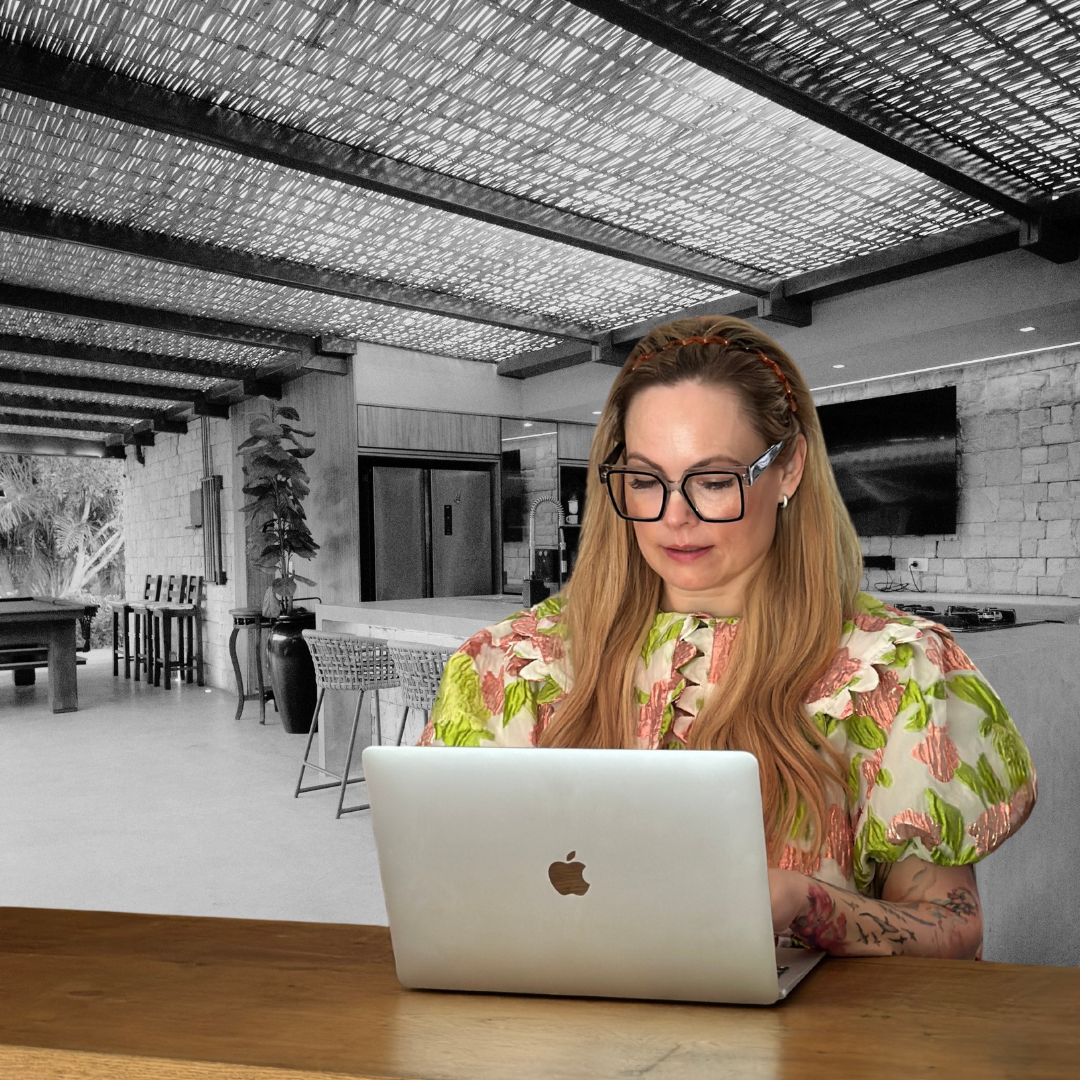
Me working on The Slow Busienss Method.
How to choose which path is right for you
By this point you might have twelve tabs open in your mind. It is easy to jump from “what jobs can I do with chronic illness?” to “I should do everything at once”. That’s a fast track back to burnout.
You don’t need to pick the perfect path for the rest of your life. You only need to pick the next step that makes sense for your body and your money right now.
Start with some honest questions:
- How much energy do I have in an average week?
- How much financial stability do I need in the next 6 to 12 months?
If energy is low and money tight, a flexible remote job might be the best short-term move. It can bring in regular income while you rethink what you want long-term. If you have more stability and strong skills, self-employment is a better fit. If your energy is highly unpredictable, a low-energy business might be more realistic. It will grow slowly, but you can shape it around long recovery periods.
Gentle reality check: benefits, money and support
I’m not going to pretend that changing how you work is as simple as picking a nice idea from a list. If you live in the UK, benefits rules, sick pay, and patchy support all shape what is possible. You might be scared of losing support if you earn, or worried you will not qualify for any help if you leave a job that is breaking you.
Nothing in this blog is legal, financial, or benefits advice. Before you change your hours, quit a job, or start earning in a new way, it is worth speaking to someone who understands the current system. That might be a welfare rights adviser, a disability charity, Citizens Advice, or a union rep if you are in one. They can help you check how different work patterns might affect your benefits and tax.
It also helps to build a small safety net if you can; even a few hundred pounds put aside can make testing a new path feel less frightening. If you cannot save anything right now, you can still plan. You can research roles, sketch out service ideas, or start learning tools that will help you work from home, all without risking the income you rely on today.
You deserve both enough money to live and a body that can cope with how you earn it. Getting support to navigate the system is part of that, not a sign of failure.
Where my work comes in: the slow business method
If you’ve read this far, you’re probably still asking “What jobs can I do with chronic illness?” – but with a sharper lens. You can see that the real question is “How can I earn in a way my body can actually sustain?” That is the question my own health crash forced me to answer.
My Slow Business Method programme is what I developed from that experience. It’s an 8-week course for women with chronic illness, neurodivergence, or any other energy-limiting condition (single mums, etc.) who want to set up their own business or self-employment, but refuse to wreck their health for it.
Inside, we don’t start with “six-figure goals” or “grind harder”. We begin with your body. Your symptoms. Your real life. We map your energy patterns, your limits, and needs. Then we take your skills and ideas and shape them into a business you can deliver on your worst reasonable week, not your best fantasy week.
The bottom line
You’re not broken, the system is
If you’ve spent years asking, “What jobs can I do with chronic illness?” It’s easy to think the problem is you. You apply for roles you know will wipe you out because they are all you can find. You push through flare days because you are scared of losing money or letting people down. You crash, then blame yourself.
But, you’re not the problem. The way we design work is. Most jobs are built around healthy, full-time bodies with no caring responsibilities. That was never going to fit you.
You’re allowed to want more than survival. You are allowed to build work around rest, medication, school runs, and hospital appointments. You are allowed to earn money in ways that do not leave you in bed for three days after every deadline.
You don’t have to fix your whole work life this week. You only have to take one step towards work that does not break you further.
FAQs about working with chronic illness
Can I still work full-time with a chronic illness?
Some people can, many cannot. It depends on your condition, treatment, and support. If full-time hours keep putting you into flare, that is a sign the pattern is not sustainable. You can look at part-time, compressed hours, flexible working, or self-employment instead.Should I tell an employer about my chronic illness?
Telling an employer can feel risky, but you usually need them to know if you want formal adjustments. In the UK, many long-term conditions are protected under equality law, which means employers should consider reasonable adjustments. You can choose who you tell, what you share, and ask HR or a union for support.Is self-employment better than a job if I have a chronic illness?
Self-employment can be better for control of time and workload, but it also brings income ups and downs and fewer safety nets. It helps if you start small, keep costs low, and build around one clear service at first. Some people mix both: a small job plus a small business.How do I start a business when I have almost no energy?
Start tiny. Choose one idea from this blog, define one simple offer, and test it with one person. Use tools to cut effort, build in long deadlines, and protect rest days. You can grow slowly as your systems and confidence build.What research supports the benefits of Slow Business?
Extensive neurological research shows breaks reduce fatigue and improve function. Excessive time pressure can harm creativity and lead to increased errors. Surveys conducted by CIPD link serious efforts to improve wellbeing with higher employee retention and productivity. A report from UK Meds highlights widespread health issues related to work, noting that women are more likely to feel unsupported. The NICE guidelines for ME/CFS recommend pacing, which aligns well with energy-efficient scheduling.How do I begin if I am already burnt out?
Start small. Very small. Cut your weekly plan to one outcome. Add plenty of breaks each day and screen-free lunches. Move meetings to your lower energy windows. Book a recovery block after any large delivery. Rebuild from there.What is the Slow Business Method?
It is an eight week programme that helps you set up and design a business that fits your energy and life. Join the waitlist to get updates and a chance at a scholarship place (and other launch prizes).
Where can I read more?
Start with these articles:
Get your weekly dose of calm and clarity
If you’re ready to protect your energy, The Weekly Pause is for you. Every Monday, I share gentle reminders, research-backed insights, and practical tips to help you work smarter, not harder.
The Slow Business Woman
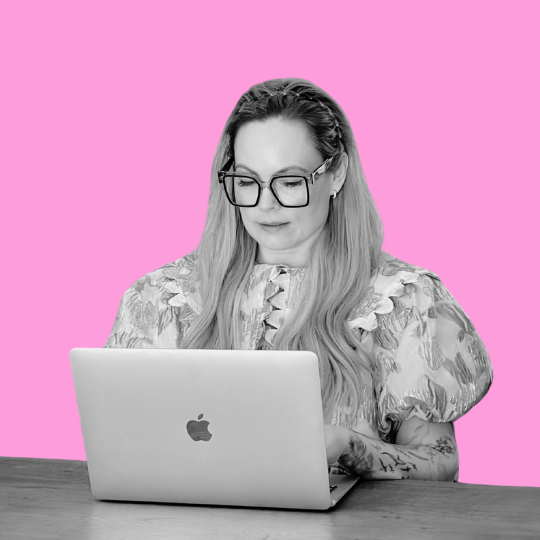
Emm McAndrew knows what it means to juggle chronic illness, disability, neurodivergence and family life while running a business. She lives with ME, cPTSD, AuDHD, and cervical spondylosis, meaning she navigates sensory overwhelm, executive-function differences and family life while running a business.
The Slow Businesswoman provides information and education only. Nothing on this website, in blogs, emails, or courses should be considered medical, psychological, legal, tax, or financial advice, or a substitute for advice from a qualified professional who knows your circumstances. You remain responsible for your decisions; no liability is accepted for any loss or harm arising from use of the content. If you have concerns about a health or mental health condition, speak to your GP or another qualified clinician. Guest opinions are their own and do not necessarily reflect the views of The Slow Businesswoman.